

A vendor's new bank details arrived by email and one person had to decide
A contractor's office manager gets email protections and a verification step for payment-change requests.
The business situation.
Contractors, bookkeepers and small offices that pay invoices by email and bank transfer
A concrete supplier appears to email the office manager asking that the next invoice be paid to a new bank account. The email looks right, the amount is large and the project manager is on a job site with no signal. The office manager has no shared rule for checking a payment change and no easy way to ask whether the sender is real.
An illustrative business situation, not a customer case study.
How we can help.
Bladesystems reviews the inbox protections already in place, checks that the company's SPF, DKIM and DMARC records are aligned and sets up a simple way to report suspicious messages. We write a short verification habit for payment changes, such as calling a known number before any account detail is updated.
- Email security controls
- SPF, DKIM and DMARC alignment
- Suspicious-message reporting
What changes in practice.
The office can review its mailbox protections and apply a documented payment-change check. A suspicious request has a reporting route, and a change of bank details needs verification through a known contact before payment proceeds.

New account details
A large payment. A new bank account.

Checks behind the inbox
Email authentication and reporting reviewed
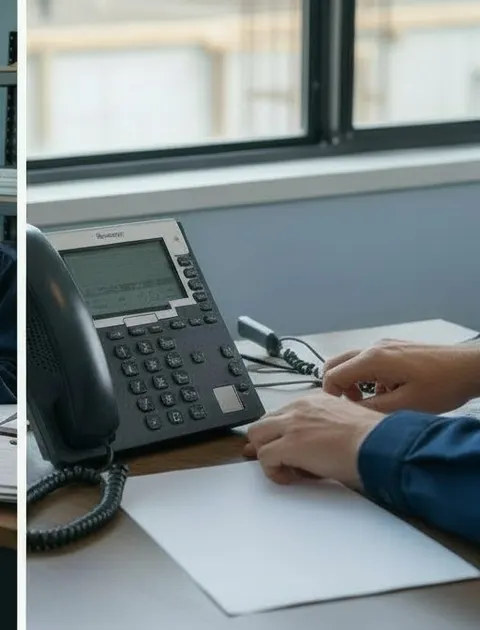
Call the known number
Verify before any account detail changes
Review email protection.
Bring your company domain name, the email service you use today, and one recent example of a payment request or message that made someone hesitate.
Email protection reduces exposure to spoofing and phishing but does not stop every malicious message, and verification habits only work when staff follow them.
305.253.5000